
Early Signs of Pregnancy
Introduction Pregnancy is a natural process, which is a very important chapter in every woman’s life. Sometimes it is difficult to understand whether pregnancy has occurred in the early stages. However, it is possible to
Introduction Pregnancy is a natural process, which is a very important chapter in every woman’s life. Sometimes it is difficult to understand whether pregnancy has occurred in the early stages. However, it is possible to

Introduction Chocolate Agar (CA) is an enriched culture medium derived from blood agar. Specifically, it is prepared by heating blood agar until the red blood cells lyse, releasing intracellular nutrients such as hemoglobin (factor X)

Introduction Blood Agar (BA) is an enriched and differential culture medium widely used in microbiology laboratories. It is prepared by adding 5–10% sterile defibrinated blood (commonly sheep, horse, or human blood) to nutrient agar base.BA

Introduction Nutrient Agar (NA) is one of the most commonly used basal solid culture media in microbiology laboratories. It supports the growth of a wide variety of non-fastidious bacteria and serves as a foundation for

Introduction Sugar media are specialized differential culture media used in microbiology to detect the ability of bacteria to ferment specific carbohydrates such as glucose, lactose, sucrose, or mannitol. During fermentation, bacteria produce acid and sometimes

Introduction Peptone water is one of the simplest basal liquid media used in microbiology. It provides the essential nutrients for the growth of many non-fastidious bacteria. Although not very nutritious by itself, it serves as

Introduction utrient broth is one of the most common and basic culture media used in microbiology laboratories. It provides the essential nutrients required for the growth of non-fastidious bacteria and serves as the foundation for

Growth Media in Microbiology – Types, Uses, and Examples Introduction Growth media (culture media) are specially prepared nutrient solutions or solid preparations that support the growth, isolation, and identification of microorganisms in the laboratory. They
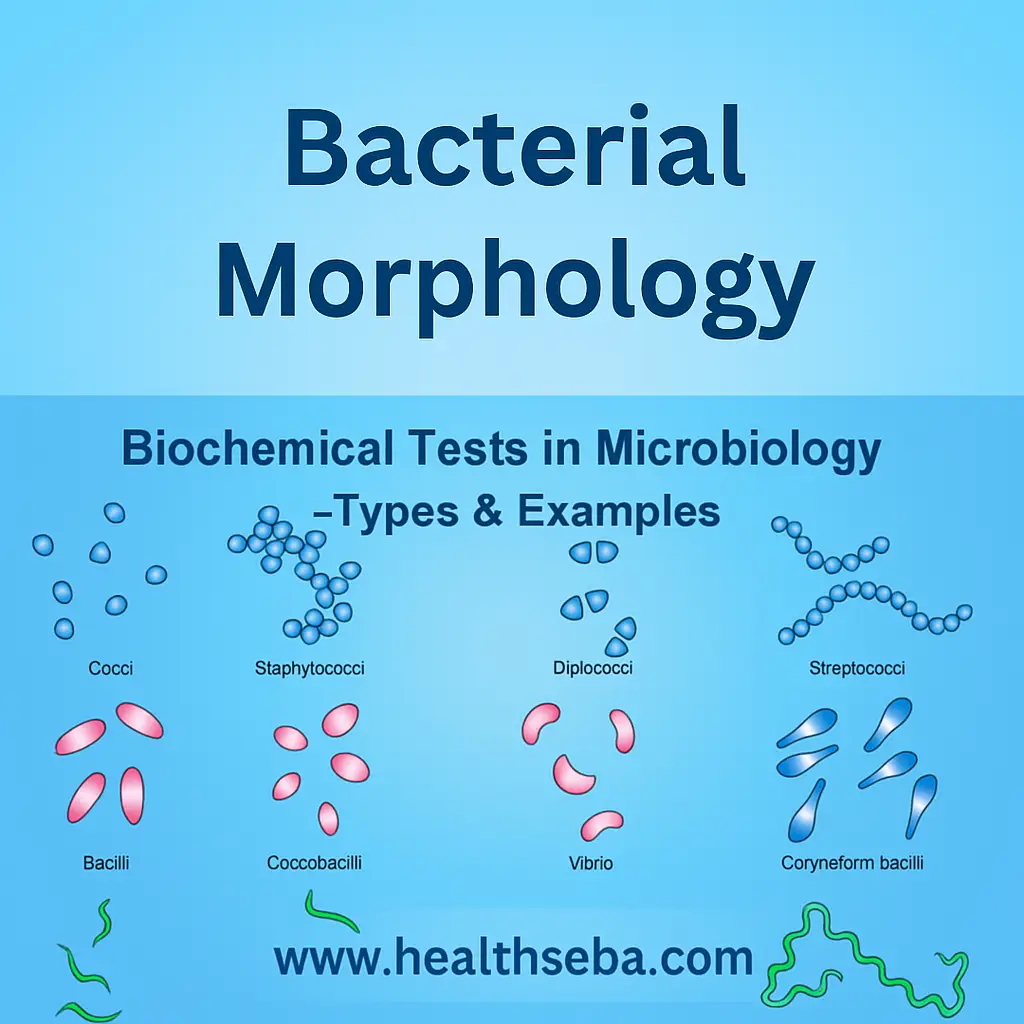
Bacterial Morphology Introduction Bacterial morphology refers to the shape, size, and structural arrangement of bacteria. Understanding morphology is crucial in microbiology because it helps in identification, classification, pathogenesis study, and diagnosis of bacterial infections. Size
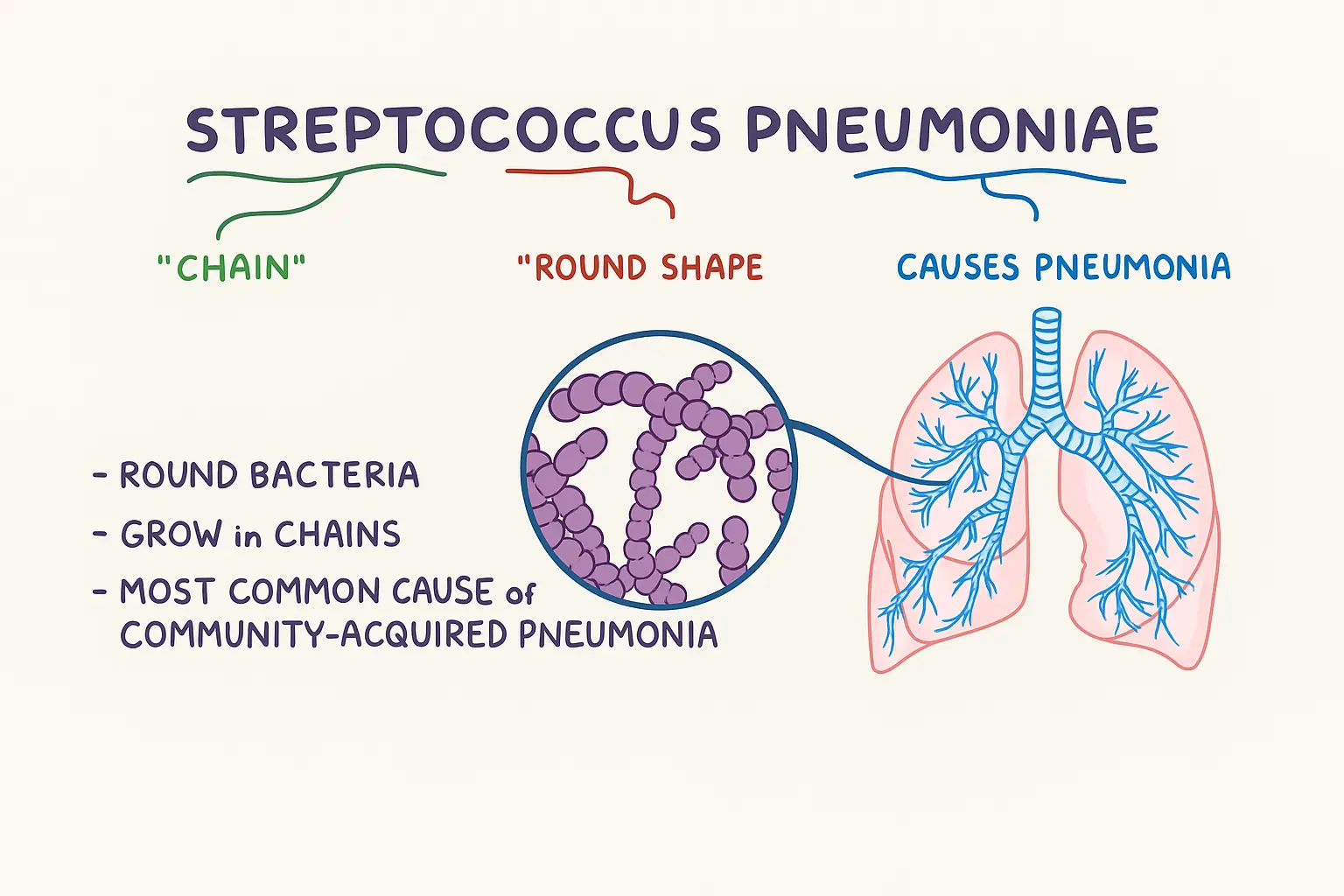
Streptococcus Pneumoniae Introduction Gram-positive, α-hemolytic diplococcus. Major cause of community-acquired pneumonia, meningitis, otitis media, sinusitis, septicemia. First described by Pasteur (1881).Lancet-shaped diplococci, surrounded by a prominent capsule.Facultative anaerobe, non-motile, non-spore forming, catalase-negative. Pneumococcus Species Only