Introduction Lung cancer is one of the most serious types...
Read More

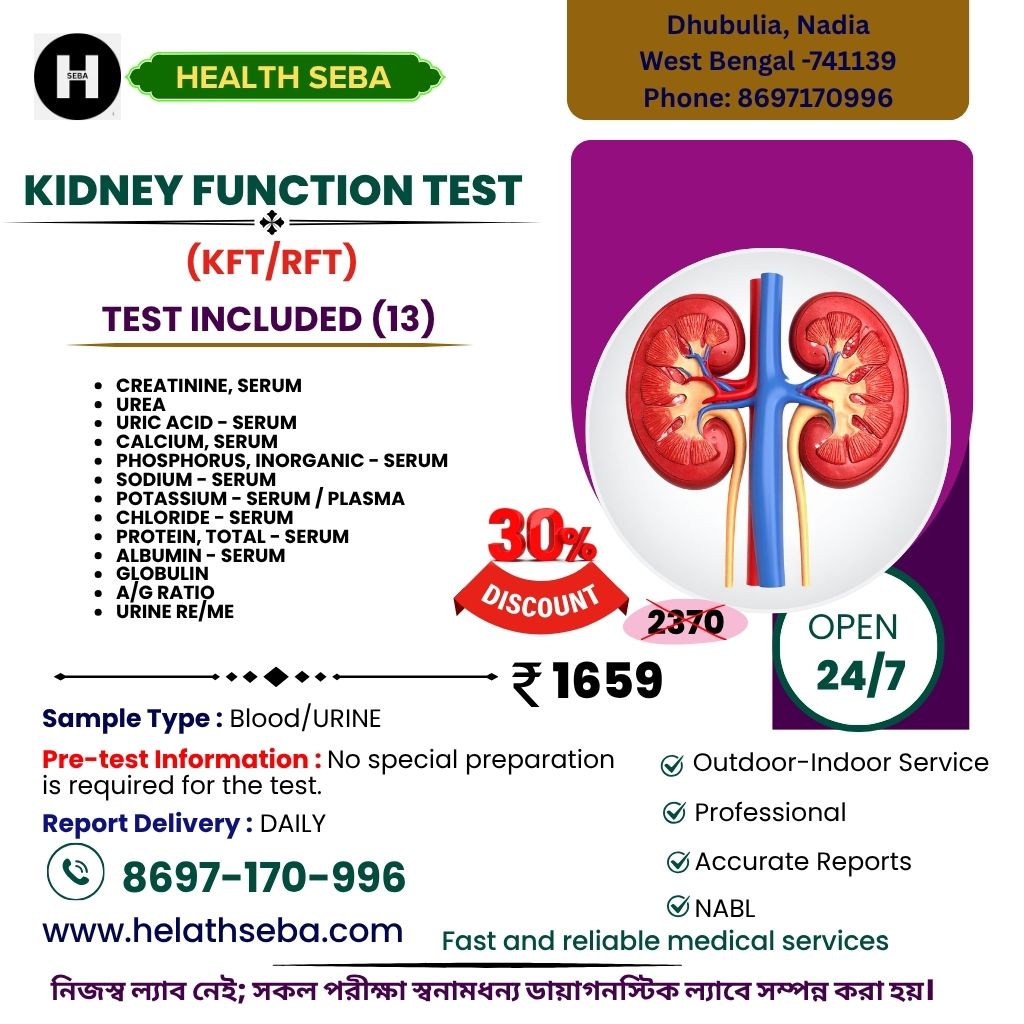
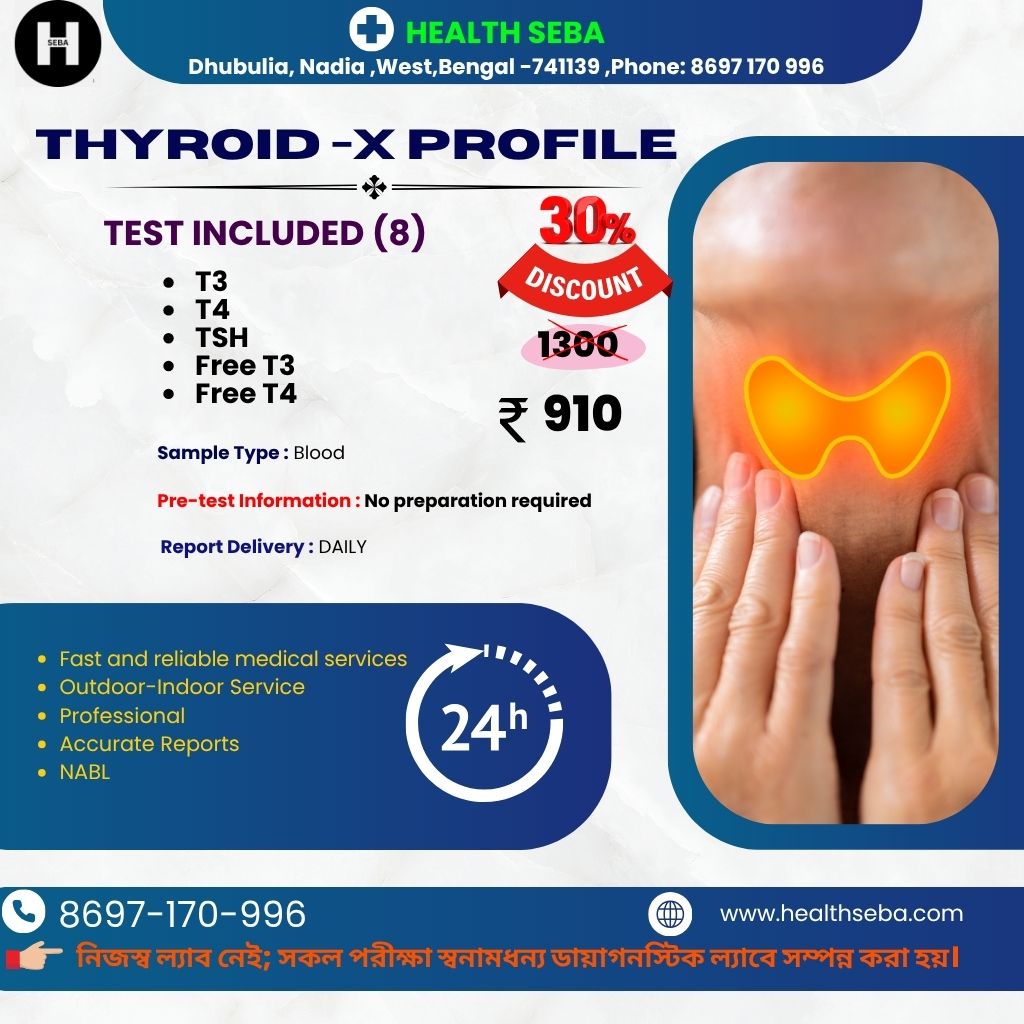
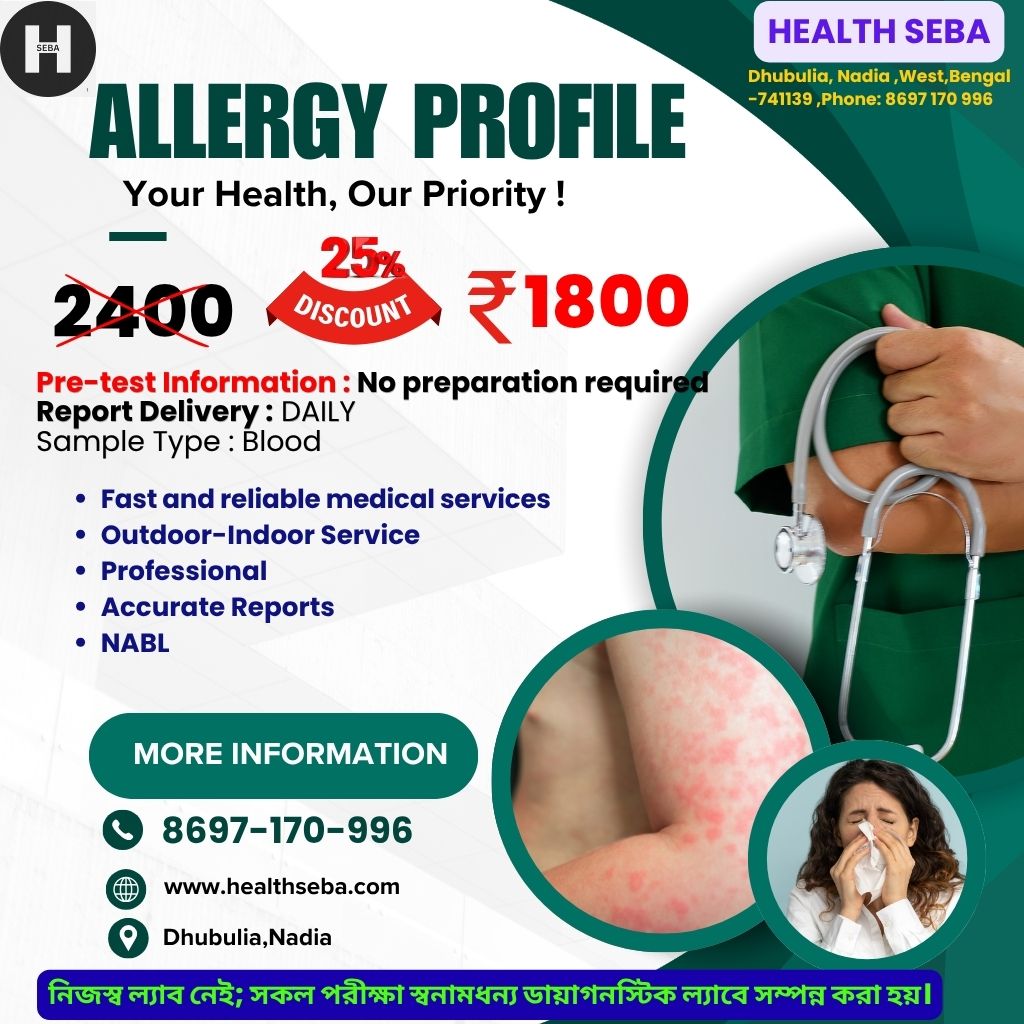
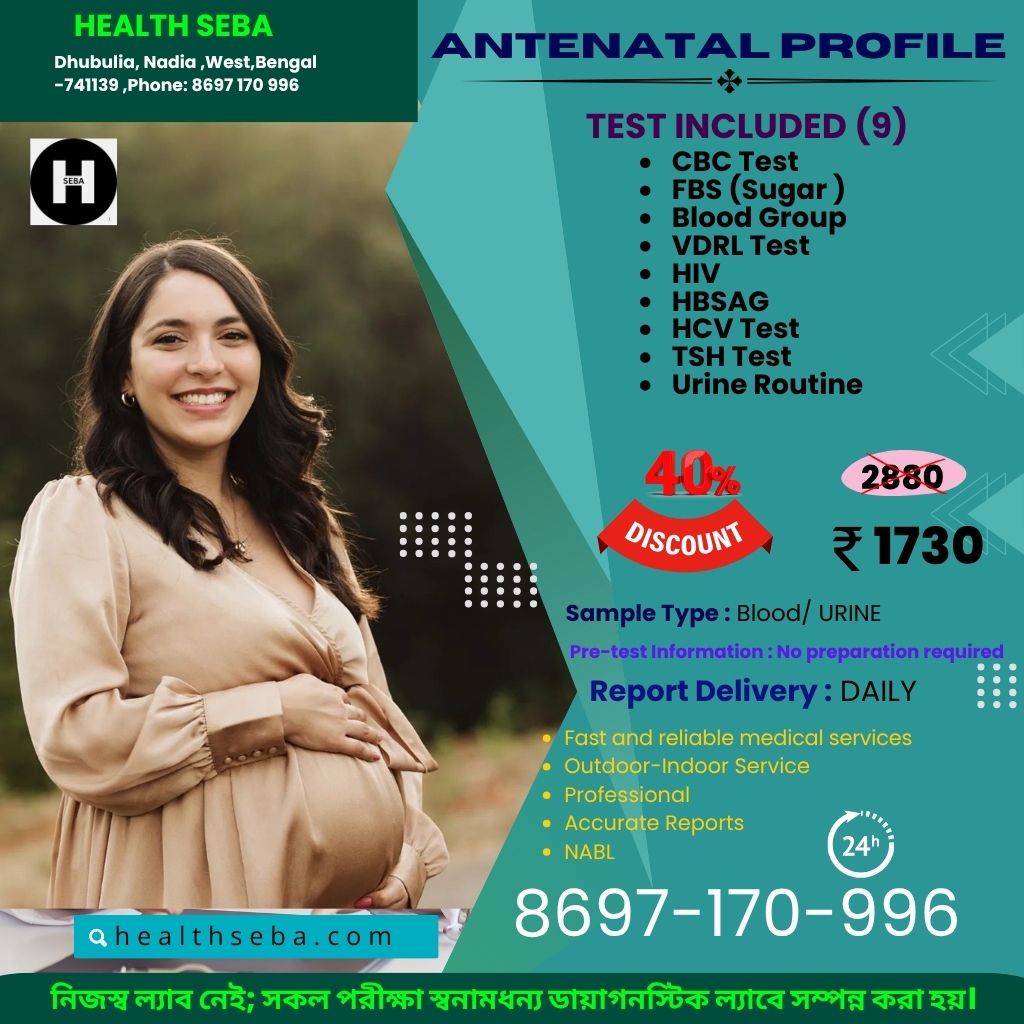
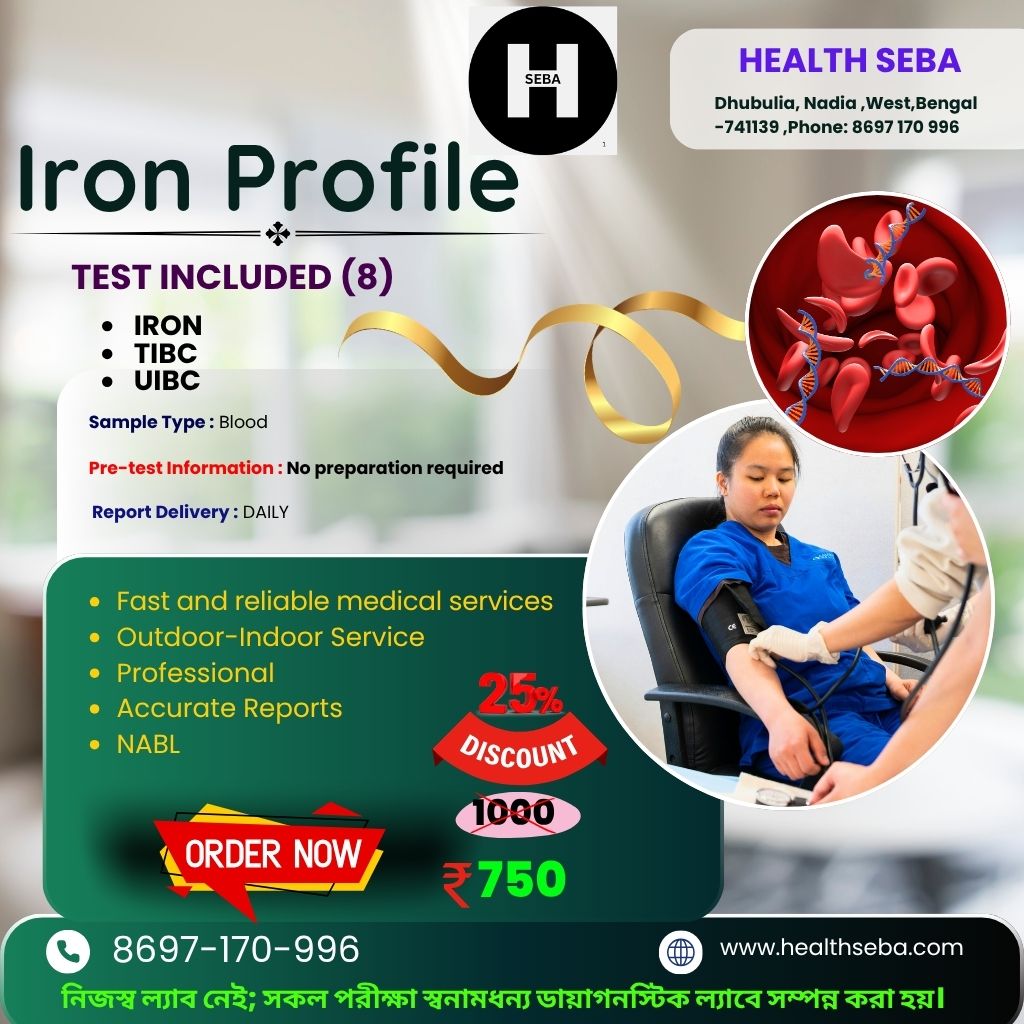
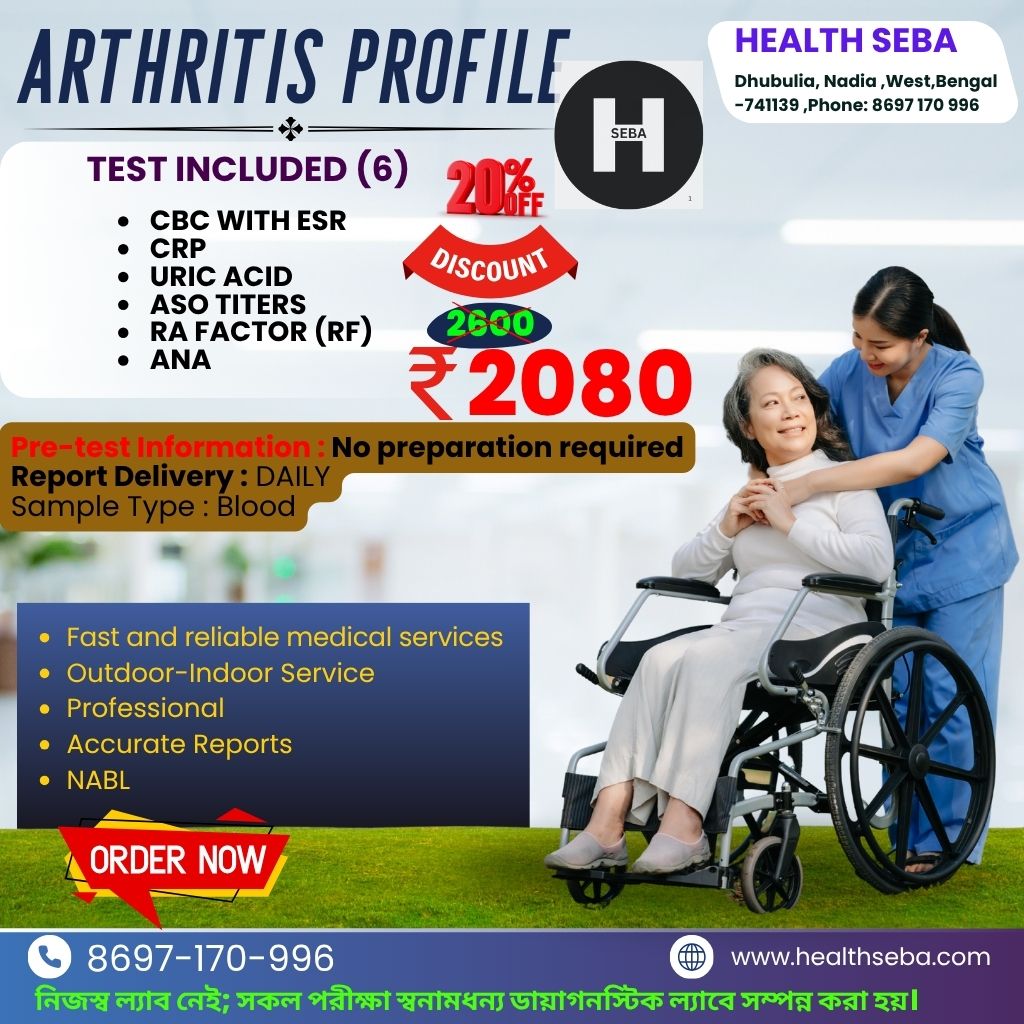

HealthSeba is more than just a health website — it is a trusted platform dedicated to spreading accurate, practical, and easy-to-understand medical knowledge for everyone. In today’s digital world, people often find confusing, misleading, or incomplete health information online. HealthSeba was created to bridge that gap by providing reliable and science-based medical content that readers can truly trust.
Our content is carefully prepared with a focus on clarity and authenticity. As a medical laboratory professional, we understand the importance of correct diagnosis, laboratory reports, and evidence-based explanations. That is why HealthSeba delivers information that is not only informative but also practical for real-life situations. Whether it is understanding common diseases, interpreting blood test reports, learning about preventive healthcare, or gaining awareness about nutrition, our goal is to make medical knowledge simple and accessible.
We strongly believe that health awareness is the first step toward disease prevention. By educating people in both simple English and Bengali, HealthSeba ensures that valuable health information reaches a wider audience, including those who may not have access to professional medical guidance easily. Our mission is to empower individuals with knowledge so they can take better care of themselves and their families.
Transparency, trust, and dedication are the core values of HealthSeba. We do not promote misinformation or unrealistic claims. Instead, we focus on spreading genuine health awareness and supporting informed decision-making.
At HealthSeba, your health education is our responsibility — because informed people make healthier communities.

I am Jambir SK, a dedicated healthcare professional, Medical Laboratory Technologist, and the founder of HealthSeba. With a strong academic background in science and specialized training in Medical Laboratory Technology from a reputed government medical institution, I have built my career around accuracy, diagnostics, and patient-centered healthcare awareness.
Since the beginning of my journey in the medical field, I have gained practical experience in laboratory diagnostics, blood investigations, clinical reporting, and quality-controlled testing procedures. My hands-on work in medical laboratories has given me deep insight into how early diagnosis and proper interpretation of medical reports can significantly improve patient outcomes. Over the years, I have personally witnessed how a lack of health awareness often delays treatment and increases preventable health risks.
Driven by a passion for community health education, I founded HealthSeba with a clear mission — to make reliable, science-based, and easy-to-understand medical information accessible to everyone. I strongly believe that health knowledge should not remain confined within hospitals or among professionals. Instead, it should empower individuals and families to take informed decisions about prevention, diagnostic testing, and timely medical consultation.
Through HealthSeba, I focus on simplifying complex medical topics and laboratory tests such as CBC, CRP, TSH, lipid profile, and other essential investigations into clear explanations in both English and Bengali. My goal is to bridge the gap between clinical knowledge and public understanding.
With dedication, integrity, and a commitment to evidence-based information, I continue working to build HealthSeba as a trusted platform for health awareness, preventive care education, and responsible medical guidance — striving toward a healthier and more informed community.