Introduction
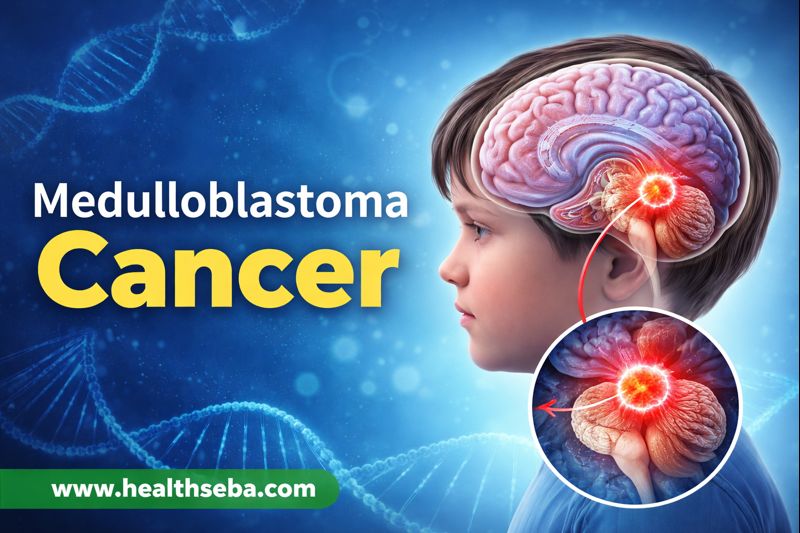
Doctors identify Medulloblastoma cancer as a fast-growing malignant brain tumor that develops in the cerebellum, the lower back part of the brain that controls balance and coordination. Children face the highest risk, though rare adult cases still occur. Rapid growth and potential spread to the spinal cord make early medical care extremely important.
Global Statistics
Health reports rank Medulloblastoma cancer as the most common malignant brain tumor in children. Research estimates that 15–20% of pediatric brain cancers fall into this group. Boys develop this condition more often than girls. Improved treatments have increased survival rates during recent decades, offering more hope to families worldwide.
Causes and Risk Factors
Researchers continue to explore the exact cause, yet several biological factors appear linked. Genetic mutations often influence abnormal brain cell growth. Certain inherited syndromes, including Gorlin syndrome, raise risk levels. Errors in cell division during early brain development may trigger tumor formation. Developmental changes during pregnancy or early childhood can also contribute.
Symptoms
Tumor pressure inside the skull produces noticeable warning signs.Morning headaches frequently occur due to increased brain pressure. Repeated vomiting appears without digestive illness. Walking imbalance and poor coordination reflect cerebellar involvement. Dizziness, blurred vision, or double vision may follow. Some children develop an unusually large head size. Behavior changes and reduced attention span sometimes signal rising brain pressure.
Types of Medulloblastoma
Doctors classify tumors into four molecular subtypes based on genetic behavior.
WNT Subtype
This group shows the best treatment outcomes and highest survival rates.
SHH (Sonic Hedgehog) Subtype
Children and adults both develop this form, which has an intermediate prognosis.
Group 3
Aggressive growth and higher spinal spread define this high-risk subtype.
Group 4
Doctors diagnose this most frequently, and outcomes vary depending on spread.
Diagnostic Tests
Early testing confirms the condition and guides treatment planning for Medulloblastoma cancer. MRI scans of the brain and spine reveal tumor size and spread. CT scans help assess brain pressure quickly in emergencies. Surgeons examine tumor tissue under a microscope after biopsy or removal. Lumbar puncture checks cerebrospinal fluid for cancer cells. Neurological exams evaluate balance, reflexes, and coordination. Genetic testing determines the tumor’s molecular subtype, which influences therapy decisions.
Prevention and Early Detection
No guaranteed prevention method exists for Medulloblastoma cancer, yet early medical action improves survival chances.Routine prenatal care supports healthy fetal brain development. Genetic counseling benefits families with inherited syndromes. Persistent headaches, vomiting, or balance problems in children require urgent medical evaluation. Pediatric specialists should assess neurological symptoms without delay.
Conclusion
Medulloblastoma cancer remains a serious childhood brain tumor, yet modern surgery, radiation, and chemotherapy have greatly improved survival. Early diagnosis offers the strongest chance for successful treatment. Quick response to neurological warning signs can save a child’s life and prevent long-term complications. Continued medical follow-up ensures better recovery outcomes for patients with Medulloblastoma cancer.
Disclaimer
This article provides educational information only and does not replace professional medical advice. Always consult a pediatric neurologist, oncologist, or qualified healthcare provider for diagnosis and treatment decisions.
Frequently Asked Questions
Written by Jambir Sk Certified Medical Laboratory Technologist
Disclaimer: This content is for educational purposes only and should not be consideredas medical advice. Always consult a qualified doctor.We do not provide professional medical advice, diagnosis, or treatment.All health-related content is based on research, knowledge, and general awareness.Always consult a licensed healthcare provider for any medical concerns.HealthSeba.com will not be responsible for any loss, harm, or damage caused by the use of information available on this site